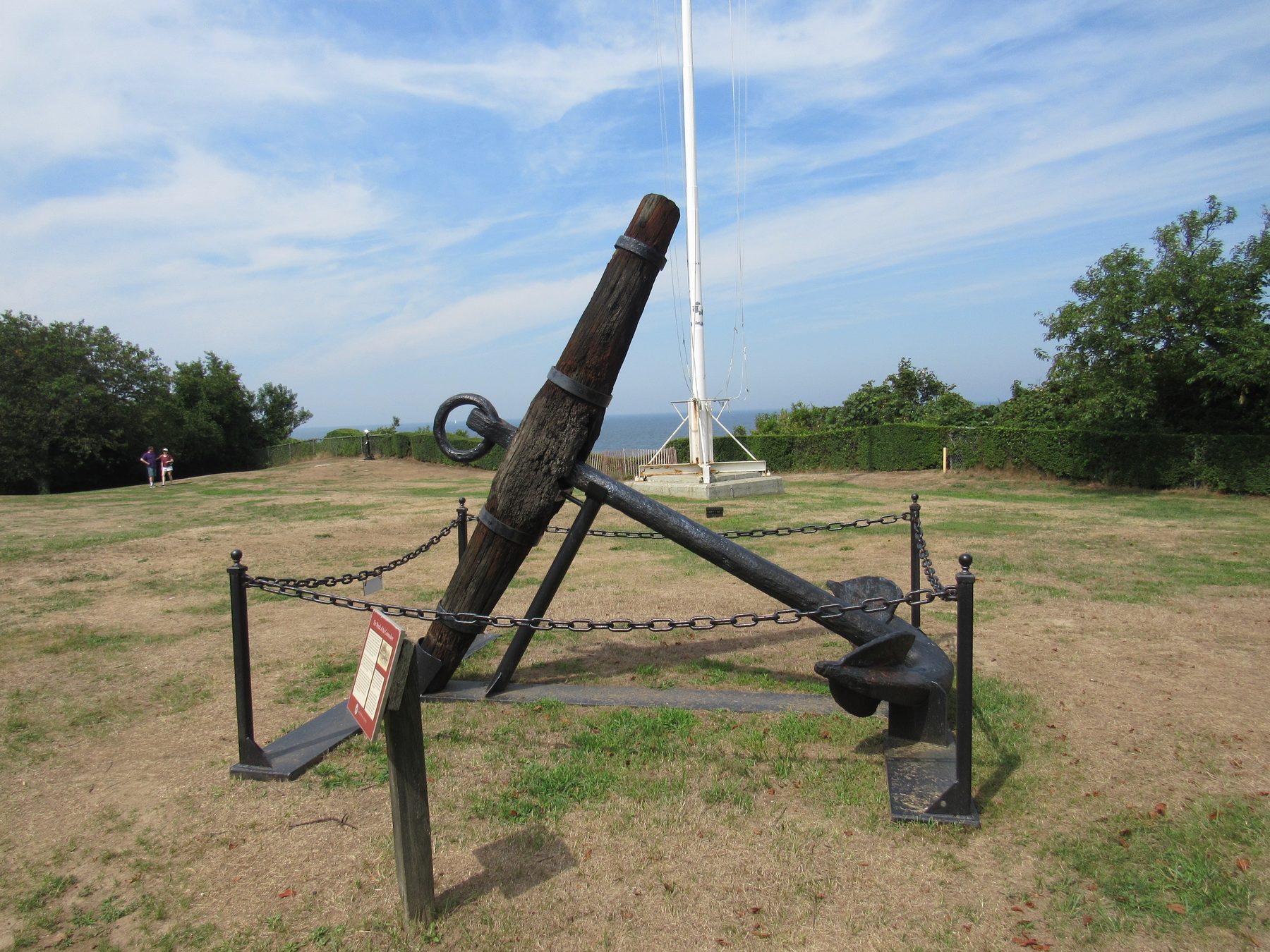
The North Fork is easy to experience as a modern getaway, but it makes more sense once you understand what came before the wineries, hotel stays, and summer weekends. This is a place shaped by Indigenous history, colonial settlement, farming, fishing, ferries, lighthouses, and a maritime culture that still feels close to the surface, especially in towns like Greenport and Orient.
Before the villages and roads
Long before the North Fork became a destination, this part of Long Island was home to Indigenous communities, including the Manhanset and Corchaug peoples. Any history page here should start by recognizing that the land and shoreline had a long life before modern tourism and long before English settlement.
Colonial settlement and the eastern towns
The North Fork’s towns grew out of farming, fishing, and local trade, and the farther-East part of the region still carries some of that early-settlement feel. Places like Orient and Southold retain a stronger historical texture than many modern getaway areas because they were never built only for visitors.
Featured Sponsors


Farming, fishing, and the working North Fork
For a long time, the North Fork was defined less by leisure than by work: fields, fruit farms, fishing, shellfishing, and the everyday movement of goods and people. That older identity still shows up in farm stands, fish markets, harbor views, and the layout of the towns themselves.
Greenport and maritime history
Greenport is the clearest place to see the North Fork’s maritime history still close to the surface. The harbor, the ferry connections, the seaport museum, Bug Light, and the village’s long working-waterfront identity all remind you that this was not just a resort town. It was a true maritime community.
East End Seaport Museum · Bug Light
Lighthouses and the Sound
Lighthouses are one of the easiest ways to understand the older North Fork. Horton Point, in particular, still gives you the feeling of the North Fork as a place oriented toward the Long Island Sound, marine traffic, and navigation rather than just summer recreation.
From working region to modern destination
The North Fork did not stop being agricultural or coastal, but over time it added another layer: wineries, inns, destination dining, and the modern version of a weekend out East. What makes the North Fork work now is that the older layers are still visible. It still feels like a place with a past, not a place invented only for visitors.
Why the history matters now
You do not need to know every date for the North Fork to feel different because of its history. You feel it in the towns, the preserves, the general stores, the ferry routes, the farm roads, the lighthouses, and the harbor. The point of the history is not just to look backward. It is to understand why the North Fork still feels like itself.